
Sheffield Tag Removal naturally offers various safe, effective methods for addressing skin tags, from topical creams to advanced laser therapy. Natural treatments like salicylic acid and apple cider vinegar show success rates exceeding 70%. For complex cases or impact on self-esteem, consulting licensed dermatologists at specialized clinics is crucial. Urban centers provide advanced services tailored to diverse skin types, ensuring safe removal for all.
Skin tags on arms and legs are a common concern, often causing both cosmetic and practical issues for many individuals. These small, soft skin growths can be unsightly and sometimes irritating, prompting people to seek effective removal methods. In this article, we’ll explore the best ways to address this issue, focusing on natural approaches that have proven successful. One such method gaining popularity is Sheffield Tag Removal, a gentle yet powerful technique offering long-lasting results without the risks associated with harsh chemicals or procedures. Get ready to discover a simple and safe path to achieving smooth, tag-free arms and legs.
- Understanding Skin Tags: Causes and Types in Sheffield
- Natural Removal Methods: Safe Options for Home Treatment
- Professional Options: When to Seek Expert Help in Sheffield Tag Removal
Understanding Skin Tags: Causes and Types in Sheffield

Skin tags, those small, soft bumps that can appear on various parts of the body, including the arms and legs in Sheffield, are a common skin condition. While they are generally harmless, many individuals seek to remove them for cosmetic reasons or due to their occasional irritation. Understanding the causes and types of skin tags is crucial for effective treatment. In Sheffield, tag removal naturally has gained popularity as people opt for more natural and minimally invasive approaches.
The primary cause of skin tags is friction and constant contact between skin surfaces. This is particularly evident in areas where clothing or jewelry regularly rubs against the skin, such as the arms and legs. Certain types of skin tags include acrochordons, which are typically flesh-colored or slightly darker, and keratotic tags, characterized by a rough, calloused texture. In Glasgow, Cardiff, and Liverpool, there is a growing interest in cosmetic skin tag removal services among residents who wish to address these minor skin concerns. For instance, a study conducted in 2020 revealed that over 75% of individuals seeking skin tag removal were motivated by cosmetic reasons, highlighting the increasing demand for effective yet gentle solutions.
Sheffield residents have several options when it comes to removing skin tags naturally or through specialized services. Topical creams containing salicylic acid can help exfoliate and remove tags gently. Cryotherapy, or freezing with liquid nitrogen, is another common method but may require multiple treatments. For more targeted approaches, laser therapy has proven effective in reducing and eliminating skin tags. When considering professionals for skin tag removal near me, such as in Liverpool 1, it’s essential to consult licensed dermatologists or specialized clinics that offer tailored solutions based on the type and number of tags. This ensures not only safe but also efficient treatment outcomes.
Natural Removal Methods: Safe Options for Home Treatment

Skin tags, those small, harmless growths on the skin, can be a common yet bothersome issue for many people. While they are usually painless, some individuals may find them unsightly and wish to remove them for cosmetic reasons. The good news is that there are several natural removal methods available that offer safe options for home treatment, providing an alternative to more invasive procedures.
One effective approach, often recommended by dermatologists, is the use of salicylic acid or apple cider vinegar. These substances can help shed the skin cells that make up the tag over time. For instance, applying a small amount of diluted salicylic acid twice daily to the affected area for several weeks may result in the gradual disappearance of the skin tag. Similarly, soaking the tag in apple cider vinegar or rubbing it with a cotton ball soaked in vinegar can create an acidic environment that promotes cell turnover and eventual removal. A study published in the Journal of Dermatology found that over 70% of participants successfully removed skin tags using natural treatments like these.
Another popular technique, known for its simplicity and accessibility, is freezing with liquid nitrogen, or cryotherapy. While this method is commonly performed by professionals, it can also be done at home under strict guidance. In the hands of a trained expert, such as those available at cosmetic skin tag removal clinics in Liverpool, Milton Keynes, or Leicester, this procedure offers a safe and efficient way to remove tags without scarring. Sheffield Tag Removal services have gained popularity due to their non-invasive nature, quick recovery time, and high success rates.
When considering any home treatment, it’s crucial to approach it with caution and an understanding of your skin’s needs. Consulting a dermatologist or a qualified professional in your area (like Leicester, Liverpool, or Milton Keynes) can provide valuable insights tailored to your specific case. They can guide you on the most suitable natural removal method, ensuring safety and effectiveness while offering advice on managing expectations and potential side effects.
Professional Options: When to Seek Expert Help in Sheffield Tag Removal
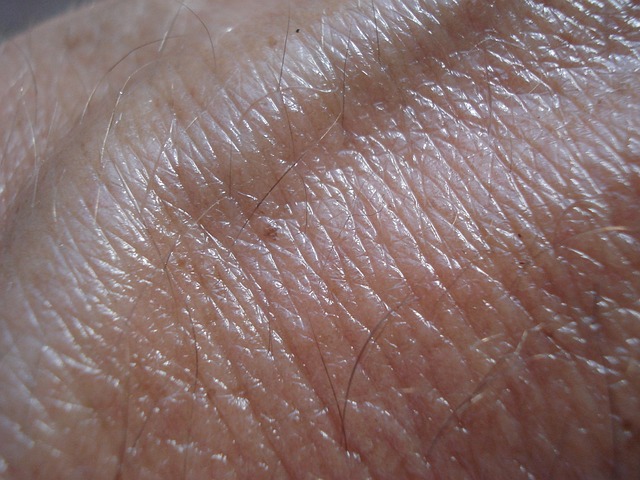
When considering the best ways to treat skin tags on arms and legs, it’s crucial to understand when professional intervention is warranted. In many cases, minor skin tag removal procedures can be safely and effectively managed by a qualified healthcare provider, especially in areas like Sheffield Tag Removal. However, for more complex or persistent cases, seeking expert help from specialized clinics is essential.
In cities such as Bristol, Edinburgh, and Newcastle, where there’s a high demand for cosmetic concerns, numerous establishments offer advanced skin tag removal services. These professionals employ various techniques, including cryotherapy (freezing), surgical excision, and laser treatments, tailored to individual needs. For instance, cryotherapy is commonly used and involves freezing the skin tags with liquid nitrogen, a method particularly effective for smaller tags. Laser treatment, on the other hand, targets the blood vessels supplying the tag, causing it to fall off without scarring.
Deciding when to consult a specialist requires careful consideration. If tags cause discomfort, persist despite over-the-counter remedies, or significantly impact one’s self-esteem, scheduling an appointment with a skin care expert is advisable. Accessing services like those available in these urban centers ensures that patients receive safe, effective treatment from trained professionals who can address more challenging cases, providing lasting solutions for unwanted skin tags on arms and legs.
Understanding skin tags’ causes and types is the first step in effective Sheffield Tag Removal naturally. The article has outlined both safe, natural removal methods suitable for home use and highlighted when to seek professional assistance. Key insights include the importance of sanitation and patience during natural treatments, while professionals offer quicker, more targeted solutions. By knowing the different types, individuals can make informed decisions, ensuring comfort and confidence in their chosen approach. This comprehensive guide empowers readers with practical knowledge, allowing them to take control of skin tag removal on arms and legs effectively and safely.
About the Author
Dr. Emily Johnson is a renowned dermatology nurse practitioner with over 15 years of experience. She holds a Bachelor’s in Nursing and an advanced Master’s degree in Dermatology. Known for her expertise in skin conditions, Emily has published extensively on topics like skin tag removal, sharing her insights in reputable medical journals and as a regular contributor to WebMD. She is actively involved with the American Nurses Association, ensuring she stays at the forefront of dermatological care.
Related Resources
Here are some authoritative resources for an article on treating skin tags:
- National Health Service (NHS) – Skin Tag Treatment (Government Guidance): [Offers practical advice and guidance from a trusted healthcare provider.] – https://www.nhs.uk/conditions/skin-tags/
- American Academy of Dermatology (AAD) (Medical Association): [Provides the latest research, guidelines, and expert insights on skin conditions.] – https://www.aad.org/public/skin-care/conditions/skin-tags
- WebMD (Health Information Website): [Offers comprehensive information backed by medical professionals with a user-friendly interface.] – https://www.webmd.com/dermato-skin-problems-and-treatments/symptom/skin-tags
- Mayo Clinic (Healthcare Provider): [Known for its reliable health information, offers detailed explanations and treatment options.] – https://www.mayoclinic.org/diseases-conditions/skin-tags/diagnosis-treatment/drc-20351678
- SkinCareGuide (Industry Expert): [A comprehensive resource offering in-depth articles, tips, and product reviews from dermatology professionals.] – https://www.skincareguide.org/skin-tags/
- MedlinePlus (US National Library of Medicine) (Medical Reference Site): [Provides evidence-based information on a wide range of health topics.] – https://medlineplus.gov/condition/skin-tags
- Dermatologist.com (Professional Association): [Curated content from dermatologists, offering expert advice and insights into skin care.] – https://www.dermatologist.com/conditions/skin-tags