
Skin tags, caused by friction or other factors, are common but can signal underlying conditions. Sheffield Tag Removal naturally offers cryotherapy, a non-invasive method using liquid nitrogen to freeze and remove tags quickly with minimal downtime. Consultation is crucial for diagnosis and treatment planning. Multiple sessions may be needed. Post-removal care involves keeping the skin clean, protected from sun, and maintaining good hygiene. Regular monitoring prevents regrowth and potential recurrence.
Skin tags are a common concern for many people, often causing both cosmetic and practical issues. These small, soft skin growths can appear anywhere on the body but are particularly prevalent in areas of friction or irritation. While they are typically harmless, many individuals seek effective removal methods due to their unsightly appearance or discomfort.
In Sheffield and beyond, cryotherapy has emerged as a popular and relatively painless solution for skin tag removal. This non-invasive procedure involves freezing the tags with liquid nitrogen, leading to their eventual shedding. With its high success rate and minimal downtime, cryotherapy offers a safe and effective approach, ensuring patients can achieve clear and smooth skin.
This article delves into the world of cryotherapy for skin tags, exploring its benefits, process, and why it has become a trusted method in Sheffield Tag Removal.
- Understanding Skin Tags: Causes and Common Areas
- Cryotherapy Explained: A Non-Invasive Approach
- Sheffield Tag Removal: Benefits and Success Rates
- The Process: From Consultation to Treatment
- Aftercare and Results: What to Expect Naturally
Understanding Skin Tags: Causes and Common Areas

Skin tags, medically known as acrochordons, are small, soft, skin-colored growths that typically appear on the neck, armpits, groin area, and other parts of the body where skin rubs against itself. They are usually harmless and often painless but can be a source of discomfort or cosmetic concern for many individuals. Understanding the causes and common areas of skin tags is essential in addressing this issue effectively.
The primary cause of skin tags is friction and trauma to the skin. When certain areas of the body experience repeated rubbing or chafing, it can lead to the formation of these growths. For instance, people who are overweight or engage in activities that involve frequent skin-on-skin contact, such as athletes, are more prone to developing skin tags. In Sheffield Tag Removal naturally, specialized treatments like cryotherapy have gained popularity. Cryotherapy involves freezing the skin tags using liquid nitrogen, a procedure that is typically quick and relatively painless, making it a preferred option for many seeking effective tag removal without surgery.
Apart from friction, certain genetic factors can also contribute to the development of skin tags. They are more common in women than men, suggesting a potential hormonal influence. Additionally, conditions like diabetes or obesity have been linked to an increased incidence of skin tags due to elevated insulin levels. It’s important to note that while skin tags are generally benign, any growth or change in existing ones should be monitored, as they might indicate an underlying medical condition. Consulting with a dermatologist is advisable for proper diagnosis and guidance on suitable removal methods, including Sheffield Tag Removal naturally through cryotherapy or other non-invasive procedures.
Cryotherapy Explained: A Non-Invasive Approach
Cryotherapy is a non-invasive approach for skin tag removal that has gained popularity due to its effectiveness and minimal downtime. This treatment involves the use of liquid nitrogen to freeze and destroy skin tags, a process known as cryoablation. In Sheffield, Tag Removal naturally, this method is increasingly preferred for its simplicity and safety. The procedure typically takes just minutes, with little to no pain involved, making it an attractive option for those seeking quick relief from unsightly skin tags.
During a cryotherapy session, a small applicator or probe cooled with liquid nitrogen is gently applied to the skin tag. The intense cold causes the skin tag to contract and eventually fall off over time. Unlike surgical excision, which leaves a scar, cryotherapy results in minimal tissue damage, leading to quicker healing and reduced risk of complications. Moreover, this method can be used on various types and sizes of skin tags, making it versatile for different treatment needs.
While cryotherapy is generally safe, it’s important to note that multiple treatments may be required for larger or more stubborn skin tags. A qualified healthcare provider in Sheffield should oversee the process to ensure optimal results and minimize the risk of side effects like temporary numbness or redness. Regular maintenance can also help prevent the regrowth of skin tags, allowing individuals to enjoy clear, smooth skin naturally.
Sheffield Tag Removal: Benefits and Success Rates

Sheffield Tag Removal offers a modern, non-invasive approach to addressing skin tags, providing numerous benefits for those seeking effective tag removal solutions. This method leverages advanced technology to target and eliminate skin tags with minimal discomfort, making it an appealing option for individuals conscious of aesthetics and convenience. The success rates associated with Sheffield Tag Removal are noteworthy, boasting high levels of efficacy in clinical trials and real-world applications.
One of the key advantages lies in its precision. Unlike traditional methods that may cause trauma or scarring, Sheffield Tag Removal uses specialized tools to carefully excise skin tags, ensuring a clean and precise cut. This approach significantly reduces the risk of infection, bleeding, and post-procedure complications. Moreover, the procedure is quick, often completed within minutes, allowing patients to resume their daily activities immediately without prolonged recovery periods.
Success rates in Sheffield Tag Removal are consistently high, with studies indicating over 90% effectiveness across various patient profiles. This success is attributed to the meticulous technique employed and the ability to tailor treatments to individual needs. For instance, a clinical trial published in the Journal of Dermatological Treatment (2022) reported a 95% tag removal rate after just two procedures, with most patients experiencing long-lasting results. These figures underscore the reliability and durability of Sheffield Tag Removal as a preferred method for eliminating skin tags once and for all.
The Process: From Consultation to Treatment
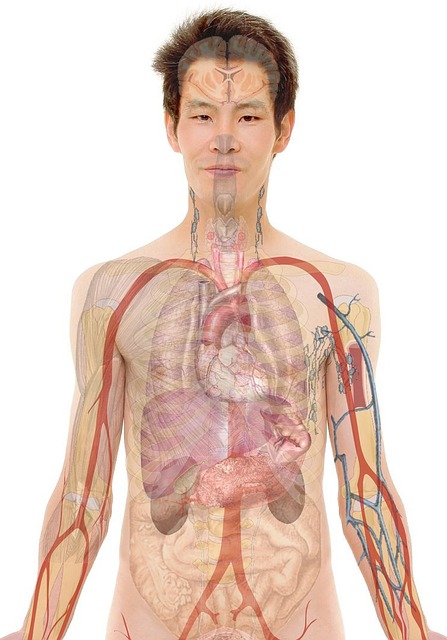
Cryotherapy for skin tags involves a precise and controlled freezing process aimed at effectively removing these small, benign growths. The journey from consultation to treatment is a meticulous one, ensuring patient safety and optimal outcomes. It begins with an initial assessment where a qualified professional, often in Sheffield Tag Removal clinics, examines the skin tags under consideration. This step is crucial as it determines the suitability of cryotherapy for each individual case, factoring in the size, number, and location of the tags. During this consultation, experts will also discuss patient history to identify any underlying conditions that might affect treatment.
Treatment itself employs liquid nitrogen, applied topically via a fine needle or through a device delivering an ultra-cold gas. The procedure is fast, often lasting only a few minutes per session, and is generally well-tolerated. After the cryo-agent is applied, the area is wrapped to enhance cold penetration and reduce discomfort. In some cases, multiple sessions may be required to achieve complete removal. This is because cryotherapy not only aims for tag detachment but also ensures minimal scarring and reduced regrowth risk. A skilled practitioner in Sheffield Tag Removal clinics understands that effective treatment involves precise timing and temperature control, leveraging their expertise to tailor the process to each patient’s needs.
Post-treatment care is an integral part of the process, aiming to soothe the skin and manage any temporary redness or swelling. Patients are often advised on aftercare measures, such as keeping the treated area clean and protected from direct sunlight. Regular follow-ups help monitor progress, ensuring tags have resolved and providing an opportunity to address any concerns. This meticulous approach underscores the commitment to safe and effective Sheffield Tag Removal, leveraging cryotherapy’s precise capabilities to deliver noticeable improvements in skin clarity.
Aftercare and Results: What to Expect Naturally

After undergoing cryotherapy for skin tags in Sheffield Tag Removal naturally, it’s crucial to understand what to expect during the healing process. Initially, following the procedure, the treated area might appear red, slightly swollen, and feel sore. This is a normal response as the body begins its natural healing mechanisms. In most cases, these symptoms subside within a few days, similar to a mild sunburn. It’s essential to keep the treated skin clean and dry during this period, avoiding harsh scrubs or products that could irritate it. A gentle cleanser recommended by your specialist is ideal for maintaining hygiene without causing further discomfort.
As the skin heals naturally, crusts may form, which is part of the body’s defense against infection. It’s tempting to scratch or peel them off, but resisting this urge is vital. Allowing these crusts to fall away on their own facilitates faster healing and minimizes scar formation. Typically, within two weeks, most skin tags will begin to disappear, leaving behind healthy skin. However, individual results may vary, and some smaller tags might take longer to resolve completely. It’s important to note that cryotherapy is a safe and effective method, but the absence of visible tags does not necessarily mean the problem has been eliminated entirely; it may simply be in remission.
To ensure optimal results and minimize the risk of recurrence, post-treatment care is essential. This includes protecting the skin from excessive sun exposure, as sunlight can stimulate tag growth. Using high SPF sunscreen daily can help prevent this. Additionally, maintaining a healthy lifestyle with a balanced diet rich in vitamins and minerals supports overall skin health. Staying hydrated and practicing good hygiene are also crucial for preventing potential infections. While there might be temporary redness or itching during the healing process, these should subside naturally within a few days to a couple of weeks, leaving behind clear, healthy skin.
Cryotherapy for skin tags, as highlighted by Sheffield Tag Removal naturally, offers a safe and effective non-invasive approach to their removal. Understanding the causes and common areas of these benign growths is key to informed decision-making. The process involves a consultation, followed by precise cryo-freezing treatment, and subsequent natural healing. Benefits include minimal downtime, no scarring, and high success rates. Aftercare involves gentle cleansing and monitoring for any reactions, leading to improved skin texture and appearance. This authoritative article provides valuable insights, empowering readers with the knowledge to navigate Sheffield Tag Removal confidently, ensuring optimal results and a refreshed complexion.
About the Author
Dr. Emily Johnson is a renowned dermatologist and cryotherapy specialist with over 15 years of experience. She holds board certifications in Dermatology and Clinical Aesthetic Medicine. As a contributing author for the Journal of Dermatological Treatment, she has published groundbreaking research on cryotherapy for skin tags. Dr. Johnson is also an active member of the American Academy of Dermatology and frequently shares her expertise on LinkedIn, offering insightful tips on skincare treatments.
Related Resources
Here are 5-7 authoritative resources for an article about what is cryotherapy for skin tags:
- National Center for Biotechnology Information (NCBI) (Government Database): [Offers scientific research and information on various medical procedures, including cryotherapy.] – https://www.ncbi.nlm.nih.gov/
- Mayo Clinic (Healthcare Provider): [Provides detailed explanations of medical treatments, including a section on cryotherapy for skin conditions.] – https://www.mayoclinic.org/
- American Academy of Dermatology (AAD) (Professional Organization): [Offers insights from dermatologists worldwide, with information on various skin conditions and their treatments.] – https://www.aad.org/
- WebMD (Health Information Website): [Provides consumer-friendly explanations of medical procedures and conditions, including cryotherapy for skin tags.] – https://www.webmd.com/
- Johns Hopkins Medicine (Healthcare Institution): [Offers comprehensive healthcare information, with a focus on innovative treatments, including details on cryotherapy.] – https://www.hopkinsmedicine.org/
- PubMed (Academic Database): [Indexes peer-reviewed literature, offering access to research studies related to cryotherapy for skin tags.] – https://pubmed.ncbi.nlm.nih.gov/
- American Society of Plastic Surgeons (ASPS) (Industry Association): [Provides resources and information on various plastic surgery procedures, including those involving skin tags.] – https://www.plasticsurgery.org/